Trail rankings · 9 shoes
Best Technical Trail Shoes
Aggressive grip for rocky and steep terrain
Trail note
Trail rankings are more terrain-dependent than road rankings. A lower-ranked technical shoe may be the better choice for mud, rocks, or mountain terrain.
Read the methodology →
La Sportiva Bushido III

Saucony Peregrine 15
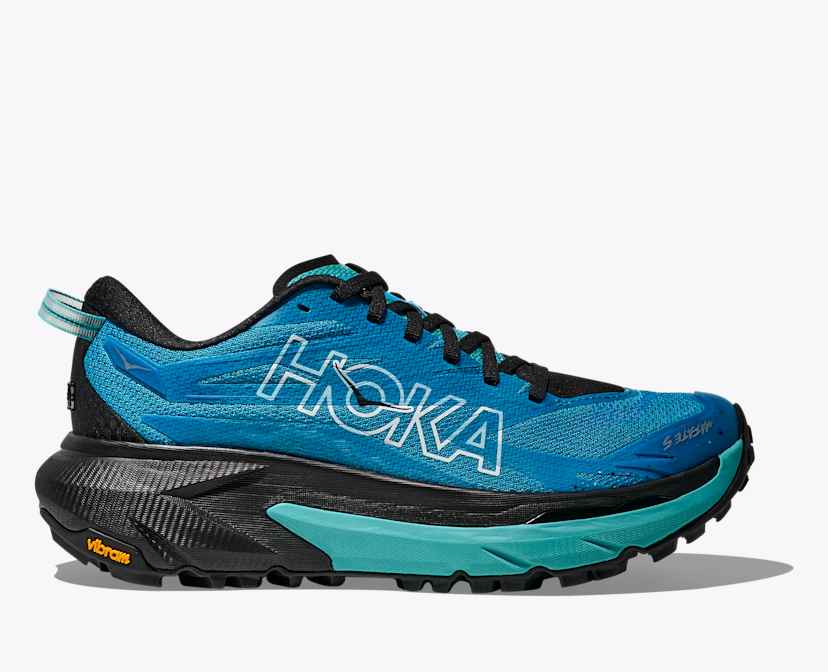
Hoka Mafate 5

Topo MTN Racer 3

Scarpa Ribelle Run Kalibra HT

Merrell Agility Peak 5
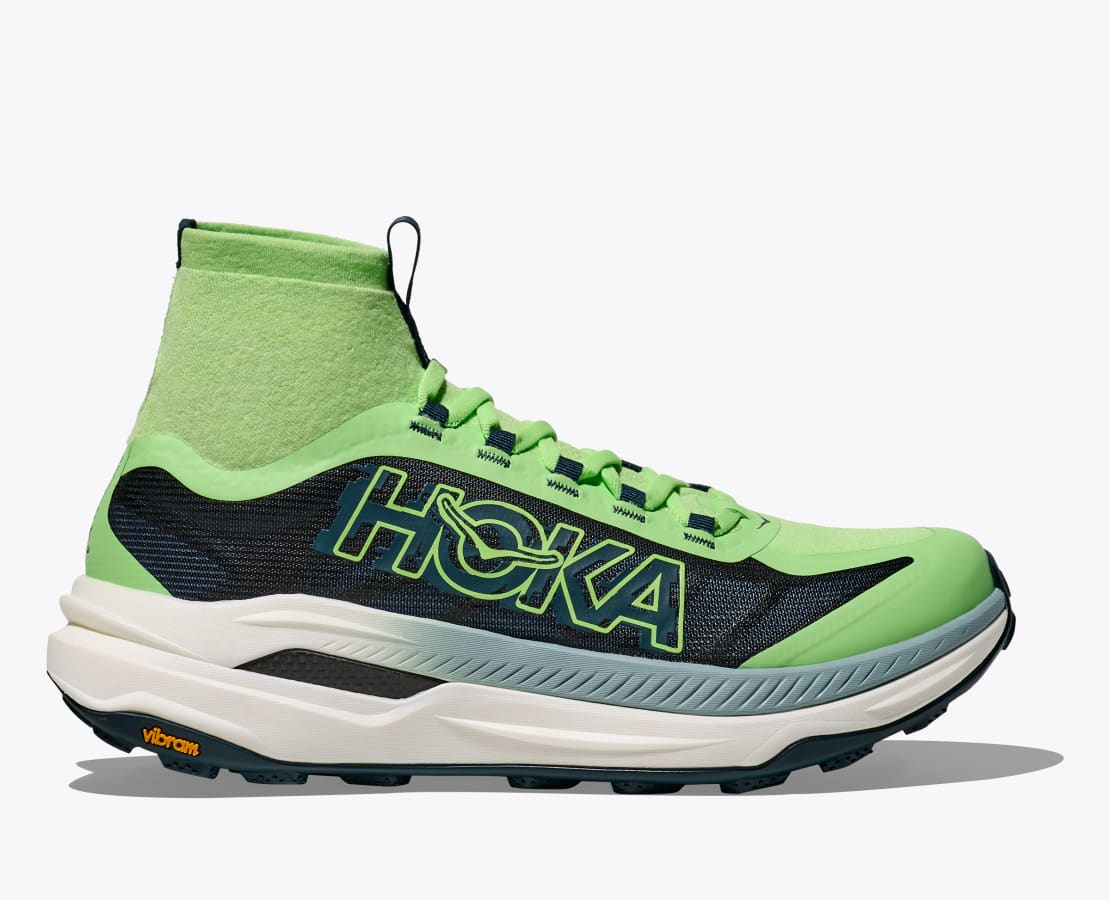
Hoka Tecton X 3
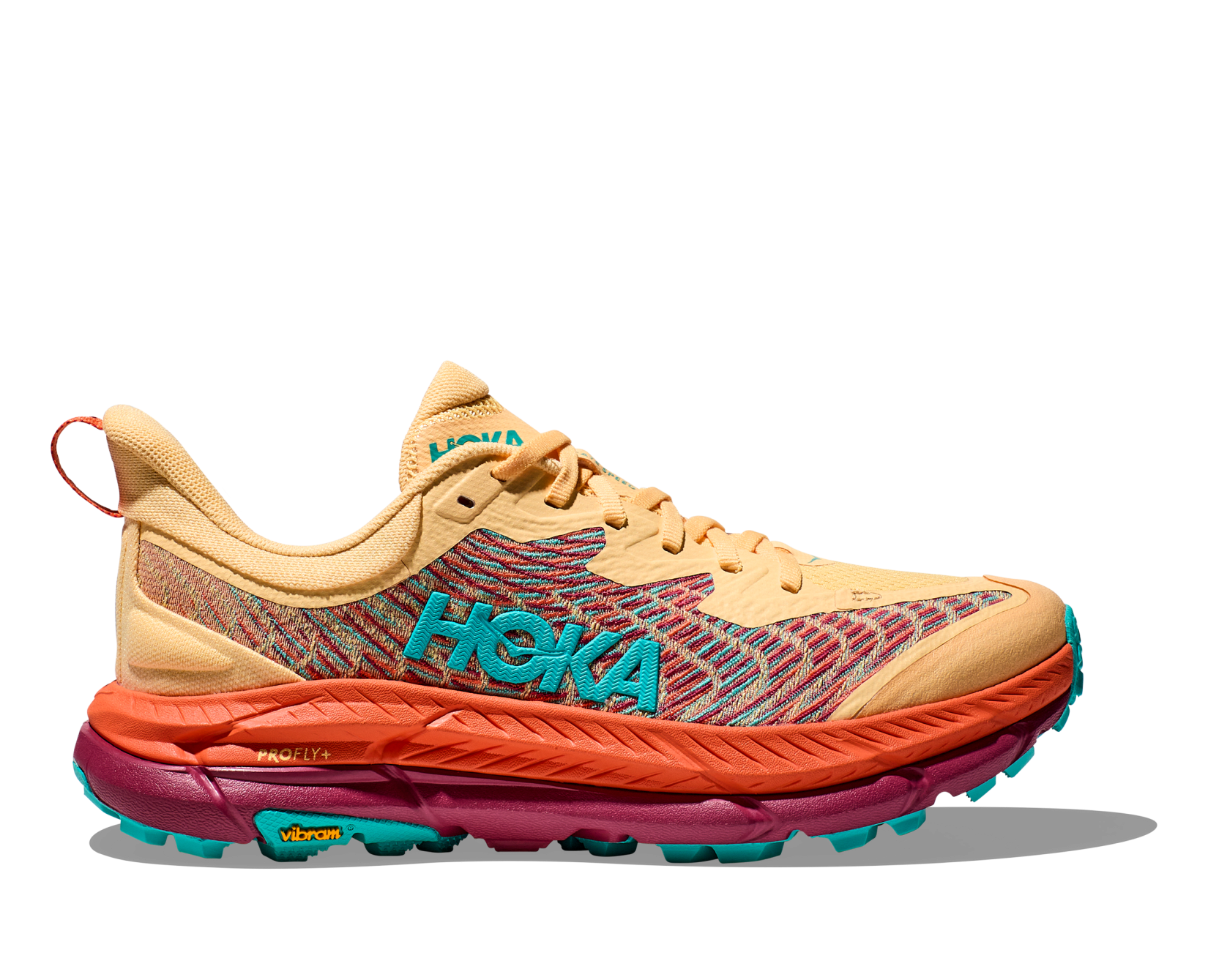
Hoka Mafate Speed 4
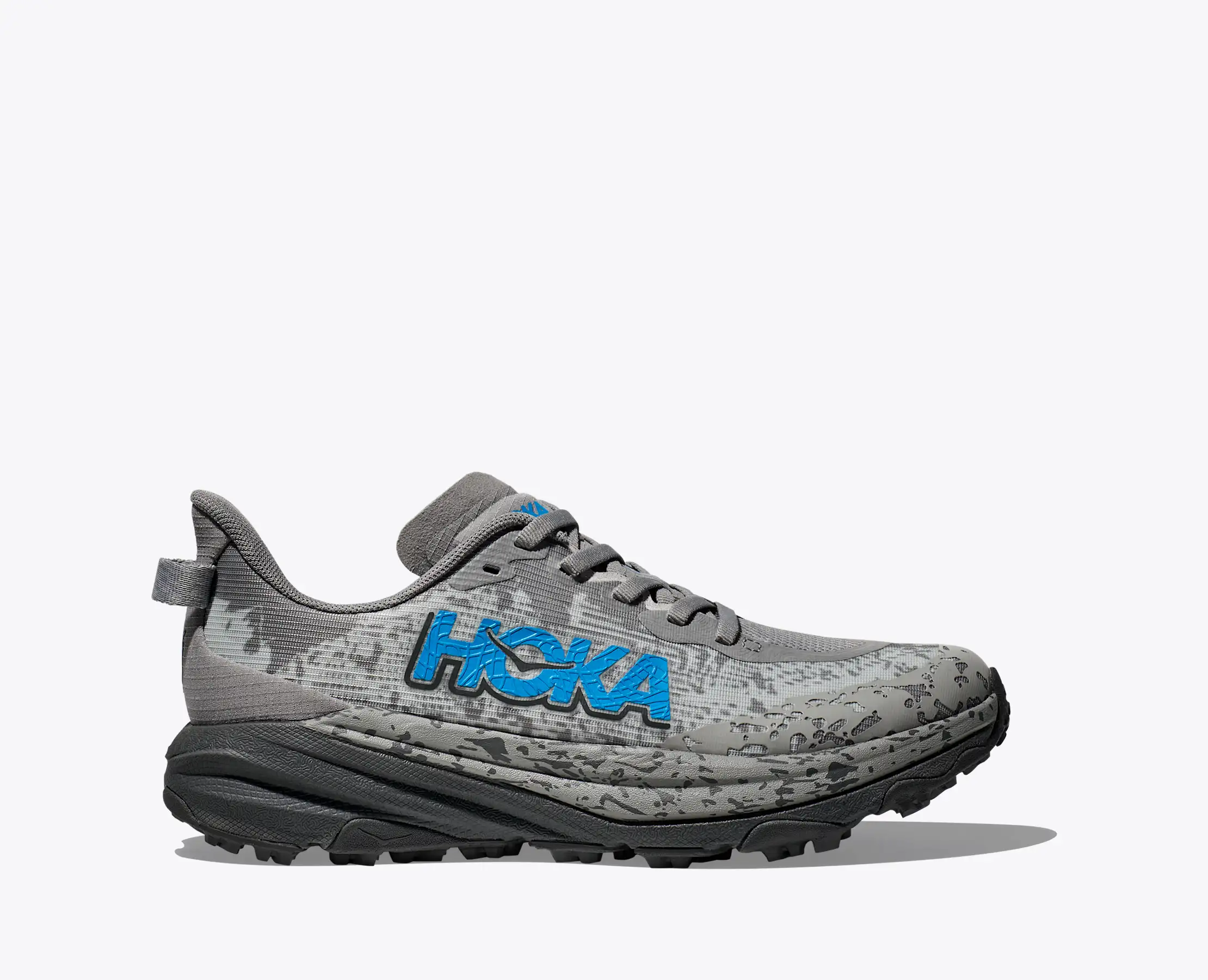
Hoka Speedgoat 6
Frequently asked questions
What's the difference between trail and road running shoes?
Trail shoes have aggressive outsole lugs for grip on dirt, rocks, and roots, reinforced uppers for protection, and often a rock plate to shield your foot from impact. Road shoes have smoother outsoles and lighter uppers optimized for pavement. Running trails in road shoes works on smooth paths but becomes risky on technical terrain.
How do I choose a trail shoe for the terrain I run?
Match the shoe to your typical surface. Smooth dirt and fire roads — a lightly lugged crossover. Mixed terrain with roots and moderate rock — a versatile all-rounder. Mountains, mud, or technical singletrack — aggressive lugs and a rock plate. Score is a starting point; terrain fit matters more.
What are lugs, and how deep should they be?
Lugs are the raised studs on the outsole that bite into soft surfaces. Shallow lugs (under 3mm) work for smooth trails and road-to-trail crossovers but slip in mud. Medium lugs (3-5mm) suit mixed terrain. Deep, aggressive lugs (5mm+) are for soft, technical, or wet terrain — but feel uncomfortable on hard surfaces.
Do I need a rock plate?
A rock plate is a thin protective layer between midsole and outsole that prevents sharp rocks from bruising your foot. If you run technical mountain trails with embedded rocks, yes. For groomed paths or soft dirt, it adds weight without much benefit. Most ultra-distance and technical trail shoes include one.
Are trail shoes more durable than road shoes?
The upper is — trail shoes use reinforced mesh or TPU overlays to resist tearing from rocks and roots. But the outsole often wears faster on abrasive rock and pavement. Expect 300-500 miles from a trail shoe, similar to road, with terrain affecting actual lifespan more than build quality.