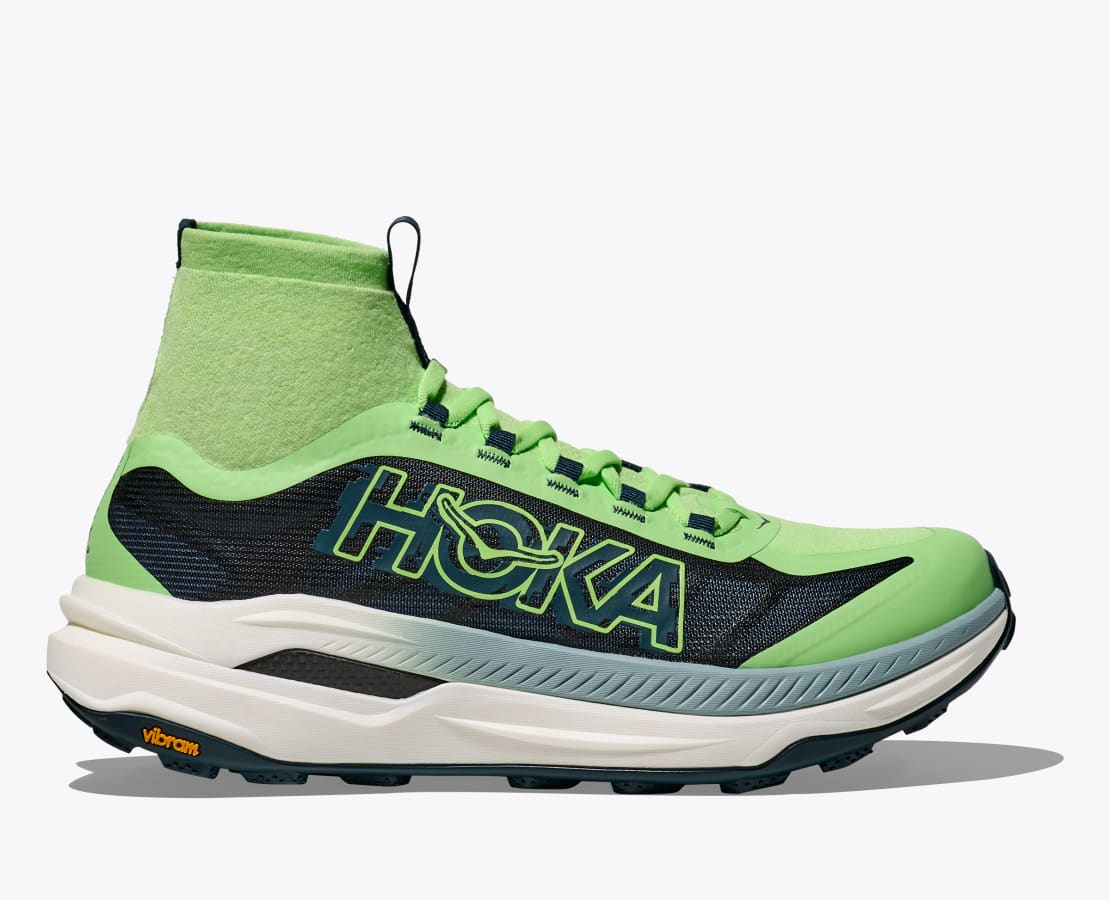
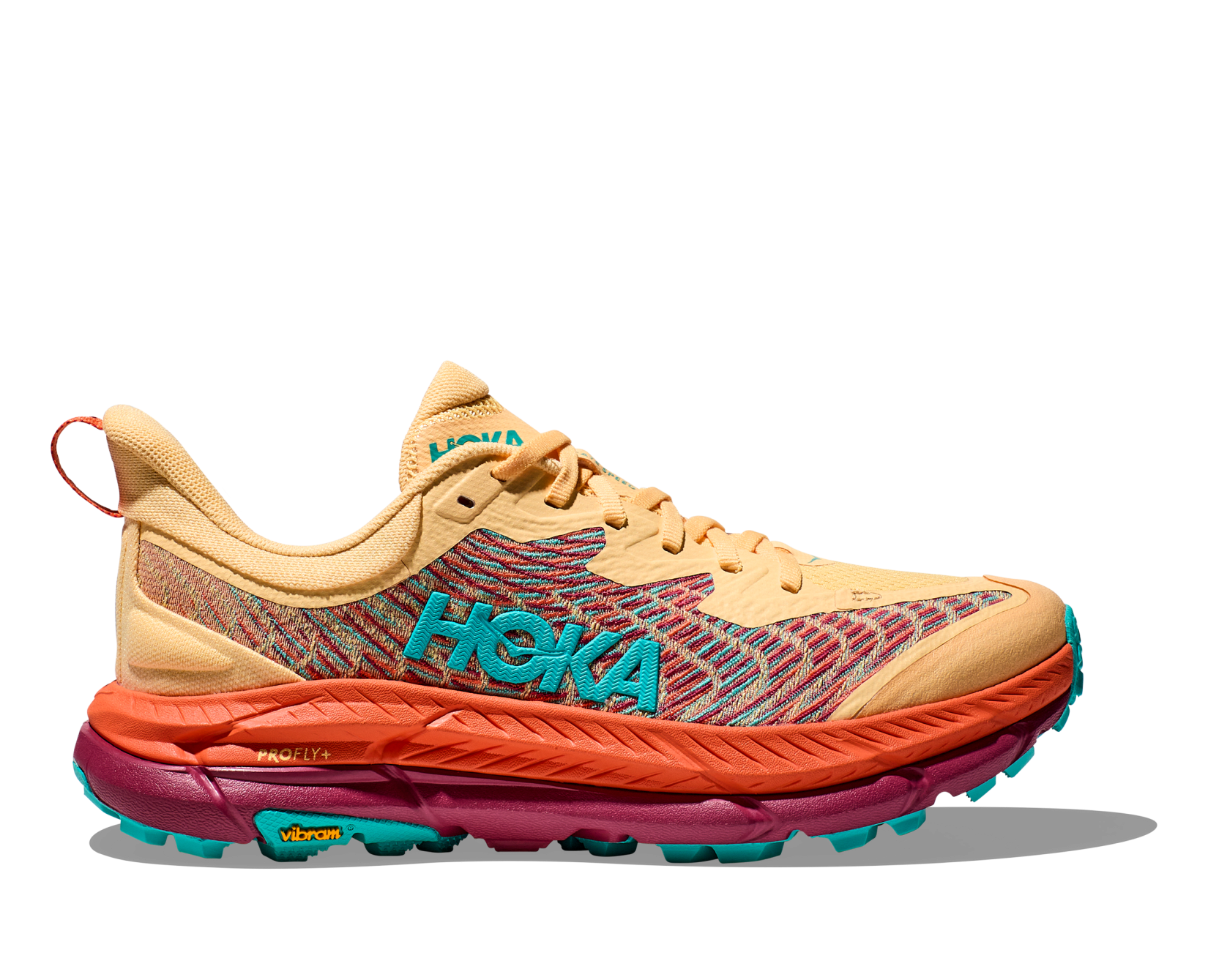
Trail rankings · 6 shoes

Best Trail Racing Shoes

Lightweight nimble shoes for trail races

Trail note

Trail rankings are more terrain-dependent than road rankings. A lower-ranked technical shoe may be the better choice for mud, rocks, or mountain terrain.

Read the methodology →
Best Trail ShoesTechnical TerrainMixed TerrainUltra DistanceTrail RacingRoad-to-Trail
1
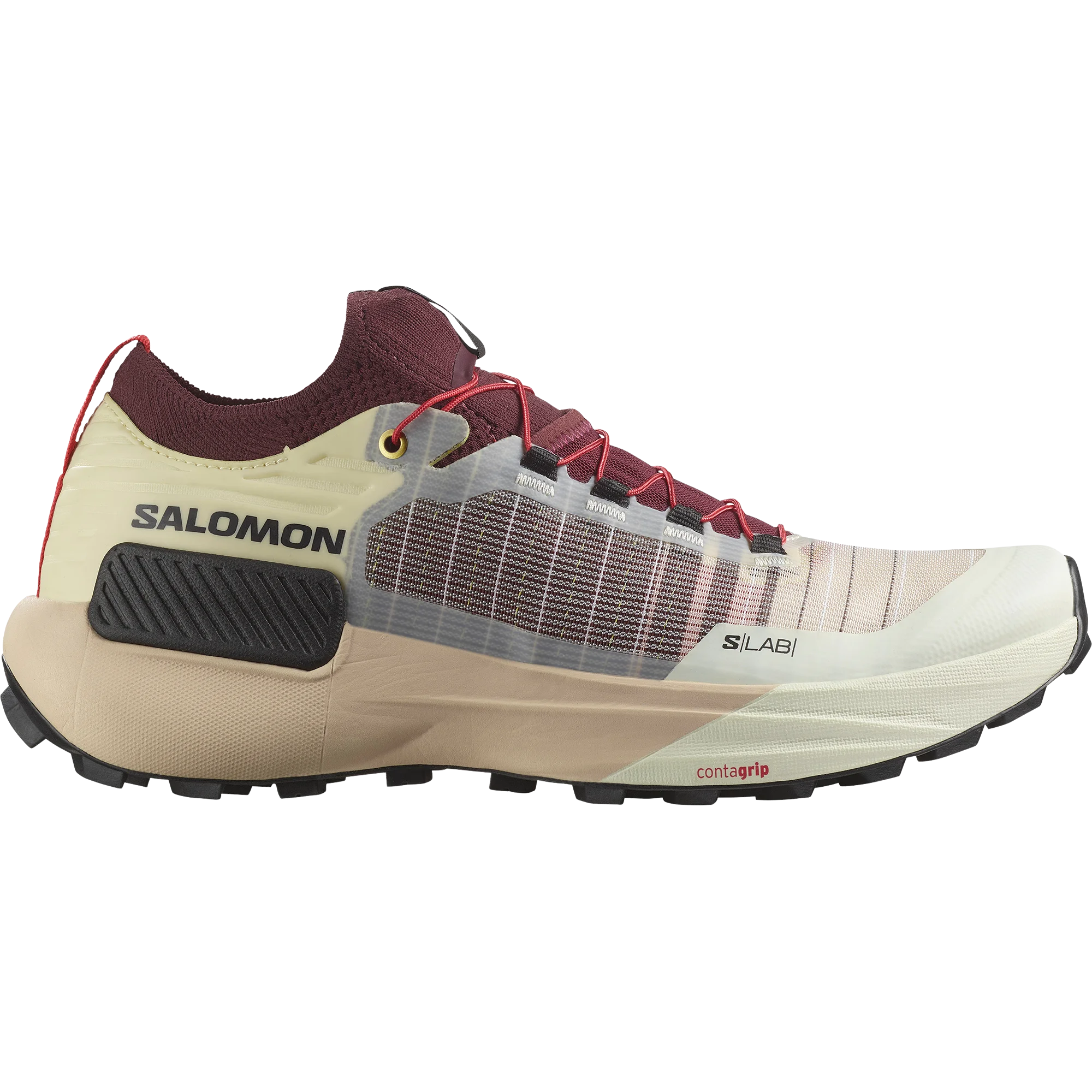
Salomon S/Lab Genesis

Salomon S/Lab Genesis

Mixed
Salomon249g8mm drop1 source · 1 reviews

The Salomon S/Lab Genesis feels like a feather on your feet, gliding effortlessly over technical trails with a nimble precision that makes it ideal for racing. Its MATRYX upper wraps around your foot with a glove-like fit, ensuring security and breathability as you tackle varying terrain. While the lightweight construction offers a responsive ride, the shoe shines on dry and semi-technical surfaces, providing confidence on steep descents. However, those seeking plush cushioning or planning to navigate wet conditions may find this shoe less accommodating. Serious ultra runners will appreciate its racing pedigree, while casual runners might want to look elsewhere.

9.2
$200
2
Salomon S/Lab Ultra

Salomon S/Lab Ultra

Mixed
Salomon10mm drop2 sources · 14 reviews

Running in the Salomon S/Lab Ultra feels like a blend of agility and protection, making it ideal for tackling diverse terrains. The MATRYX upper wraps snugly around the foot, providing a secure fit that enhances stability on uneven surfaces, while the pronounced forefoot rocker encourages a smooth, propulsive stride. However, the shoe's narrow fit may leave wider-footed runners searching for comfort elsewhere. With a solid grip and decent breathability, this shoe shines on rugged trails, though the heavier weight might be noticeable during longer runs. It's perfect for dedicated trail runners who prioritize stability and protection over weight and responsiveness.

8.77
$212–$240
3
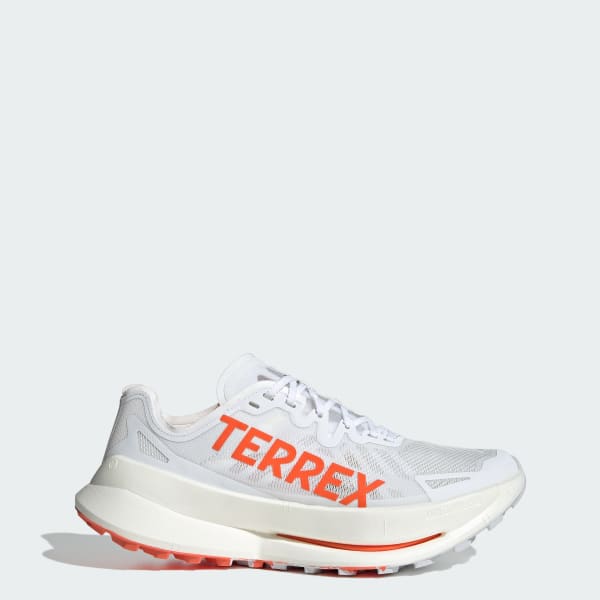
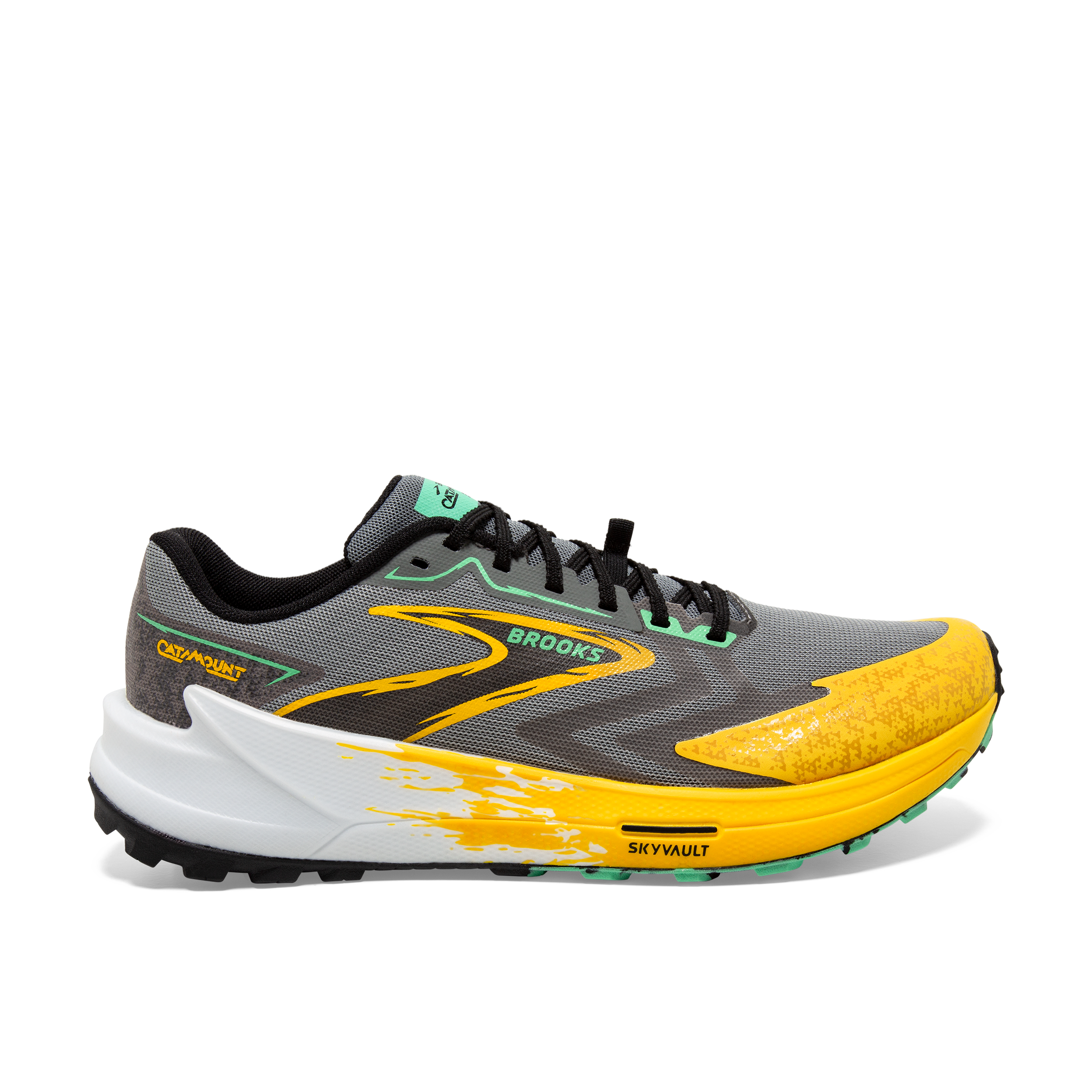
Adidas Terrex Agravic Speed Ultra

Adidas Terrex Agravic Speed Ultra
Mixed
Adidas259g8mm drop6 sources · 36 reviews

Running in the Adidas Terrex Agravic Speed Ultra feels like a thrilling experience on smooth trails, where the bouncy Lightstrike Pro midsole propels you forward with each stride. Its aggressive rocker geometry enhances momentum, making it ideal for fast-paced racing on groomed surfaces. However, the snug upper may feel restrictive, particularly for those with wider feet, and requires a break-in period that can lead to initial discomfort. While it excels on firm terrain, its performance diminishes on wet or technical trails, making it best suited for dedicated trail racers who prioritize speed over versatility.

8.69
$175–$220
4
Saucony Peregrine 15

Saucony Peregrine 15

Technical
Saucony266g4mm drop5 sources · 179 reviews

The Saucony Peregrine 15 offers a thrilling ride on technical trails, where its aggressive lugs dig into the earth, providing exceptional grip on mud, rocks, and roots. The shoe fits snugly thanks to its gusseted tongue and Formfit technology, ensuring your foot remains secure during dynamic movements. While it feels noticeably lighter and more comfortable than its predecessor, the Peregrine 13, the ride is firmer, catering to runners who appreciate a responsive feel. Ideal for trail enthusiasts seeking reliable traction and comfort over long distances, it may not suit those who prefer a cushioned experience or need a wider toe box.

8.63
$77–$140
5
NB Fresh Foam X Hierro v9

NB Fresh Foam X Hierro v9

Mixed
New Balance318g4mm drop3 sources · 94 reviews

Running in the New Balance Fresh Foam X Hierro v9 feels like gliding over a plush, supportive surface designed for exploration. The dual-density Fresh Foam X provides a soft landing while ensuring stability, making it ideal for both long trail runs and light hiking. The generous cushioning absorbs impact, while the Vibram Megagrip outsole keeps you grounded on a variety of terrains, even in wet conditions. However, the shoe's weight may become noticeable on extended outings, and its low drop requires an adjustment period for some runners. Those seeking a nimble shoe for technical trails might find it less suitable, but it's perfect for those who prioritize comfort and protection on diverse landscapes.

8.48
$95–$155
6
Hoka Mafate Speed 4

Hoka Mafate Speed 4

Technical
Hoka295g4mm drop4 sources · 54 reviews

The Hoka Mafate Speed 4 offers a plush yet responsive ride, ideal for long distances on varied terrains. With its ProFly+ midsole, runners experience a delightful balance of cushioning and agility, making it feel stable during descents and nimble on technical trails. The generous platform provides confidence while navigating uneven ground, though the snug, ultra-tapered toebox may not suit those with wider feet. While it excels in providing shock absorption and traction, it’s less suited for steep, technical alpine routes. This shoe is perfect for trail enthusiasts seeking comfort and support, but speed-focused runners or those tackling extreme terrain might want to explore other options.

7.92
$148–$185

Frequently asked questions

What's the difference between trail and road running shoes?

Trail shoes have aggressive outsole lugs for grip on dirt, rocks, and roots, reinforced uppers for protection, and often a rock plate to shield your foot from impact. Road shoes have smoother outsoles and lighter uppers optimized for pavement. Running trails in road shoes works on smooth paths but becomes risky on technical terrain.

How do I choose a trail shoe for the terrain I run?

Match the shoe to your typical surface. Smooth dirt and fire roads — a lightly lugged crossover. Mixed terrain with roots and moderate rock — a versatile all-rounder. Mountains, mud, or technical singletrack — aggressive lugs and a rock plate. Score is a starting point; terrain fit matters more.

What are lugs, and how deep should they be?

Lugs are the raised studs on the outsole that bite into soft surfaces. Shallow lugs (under 3mm) work for smooth trails and road-to-trail crossovers but slip in mud. Medium lugs (3-5mm) suit mixed terrain. Deep, aggressive lugs (5mm+) are for soft, technical, or wet terrain — but feel uncomfortable on hard surfaces.

Do I need a rock plate?

A rock plate is a thin protective layer between midsole and outsole that prevents sharp rocks from bruising your foot. If you run technical mountain trails with embedded rocks, yes. For groomed paths or soft dirt, it adds weight without much benefit. Most ultra-distance and technical trail shoes include one.

Are trail shoes more durable than road shoes?

The upper is — trail shoes use reinforced mesh or TPU overlays to resist tearing from rocks and roots. But the outsole often wears faster on abrasive rock and pavement. Expect 300-500 miles from a trail shoe, similar to road, with terrain affecting actual lifespan more than build quality.