Hoka · 13 shoes · 8.4 avg score
Best Hoka running shoes
All 13 Hoka running shoes tracked on SolePicks, ranked by consensus score from independent expert and user reviews.
Hoka at a glance
Founded in 2009, Hoka pioneered max-cushion running shoes when minimalism dominated the industry. The brand is now known across road and trail for thick midsoles, rocker geometry, and comfort-first performance.
Read our methodology →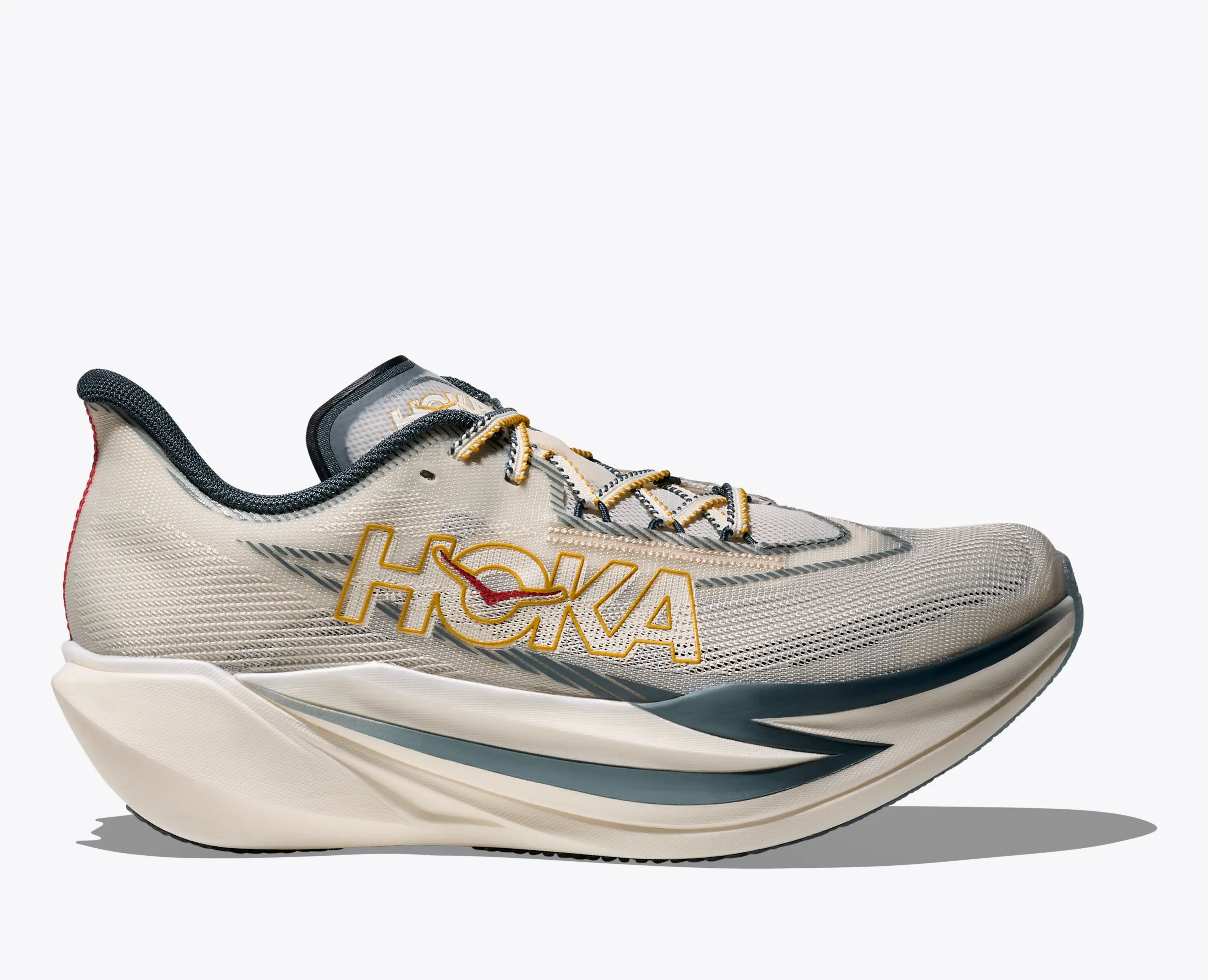
Hoka Cielo X1 3.0
The Hoka Cielo X1 3.0 is a lightweight road running shoe designed for speed, weighing in at 193g. It features a 7mm heel drop and a max cushioning level, providing excellent shock absorption, particularly beneficial for longer races like half and full marathons. The aggressive rocker geometry promotes forward momentum, making it easier to access bounce without perfect form. However, the narrow fit, especially in the tapered toebox, may restrict toe splay for many runners, and the ultra-rockered design can feel overly aggressive for those who prefer a more traditional ride. While it offers improved grip in wet conditions and stability across various paces compared to its predecessor, it may not be the best choice for runners with wider feet or those who require more stability during long races.
Hoka Mach 6
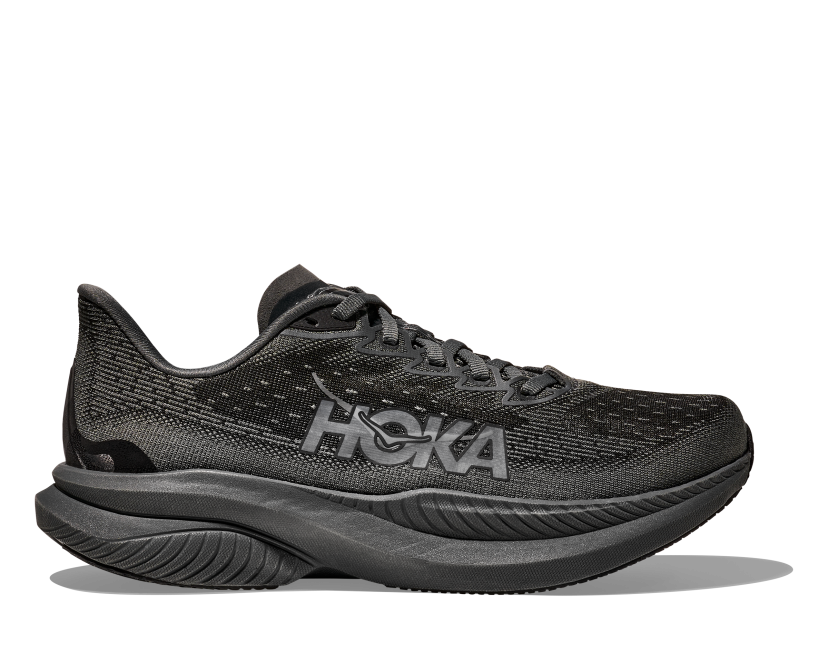
The Hoka Mach 6 is a lightweight road running shoe, weighing 232g, that offers a bouncy and responsive ride thanks to its supercritical EVA midsole. It excels at tempo runs and daily training, providing a moderate level of cushioning that feels firm at slower paces but delivers energy return at faster speeds. However, the shoe's narrow fit may pose challenges for runners with wider feet, and the limited rear-foot stability could affect those who require more support. Additionally, the outsole durability has been noted as a concern, with some reviewers indicating it wears faster than expected. Overall, the Mach 6 is a versatile option for runners looking for a lively trainer, but it comes with trade-offs in fit and durability.
Hoka Arahi 8
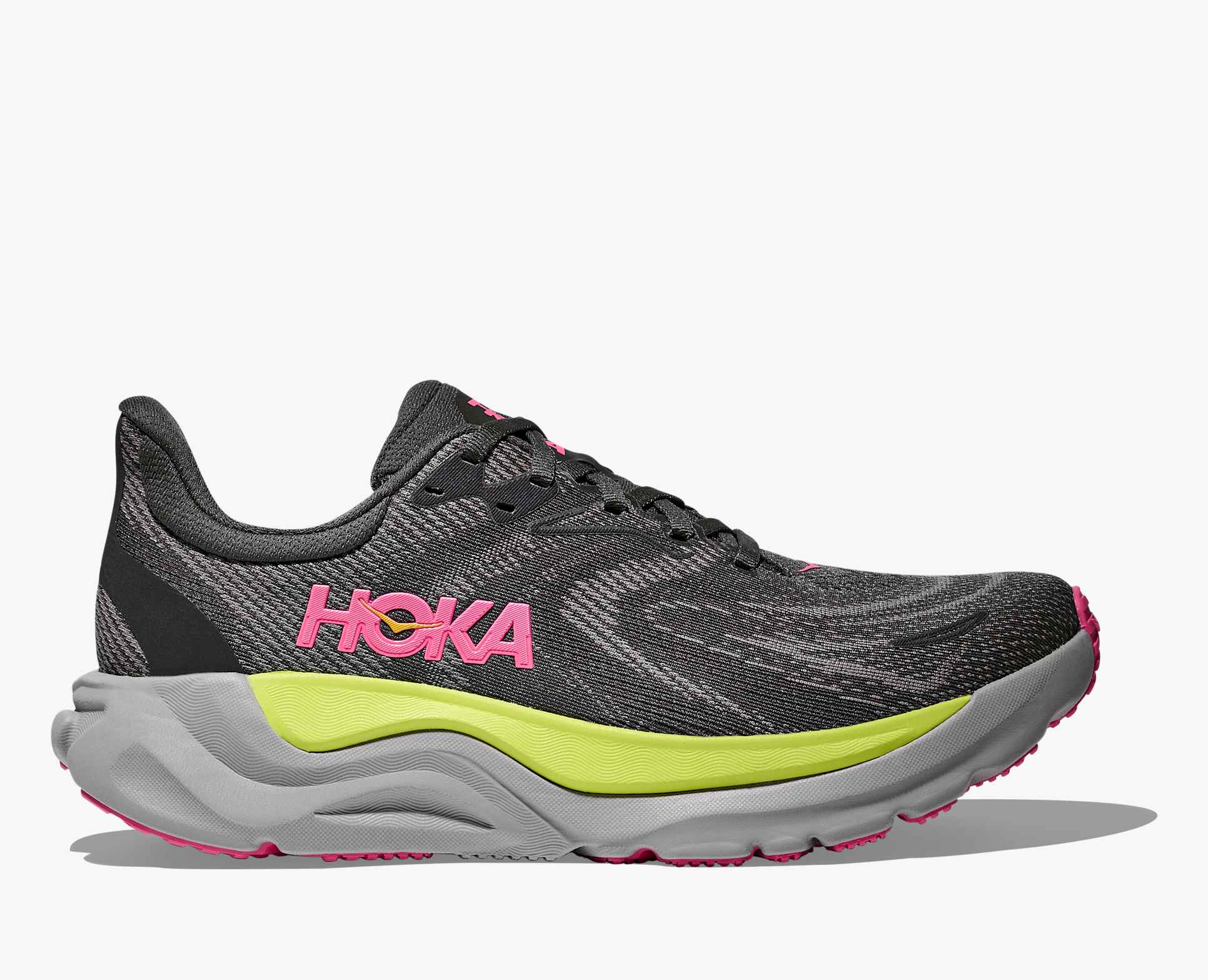
The Hoka Arahi 8 offers a stable ride suitable for mild overpronators, thanks to its H-Frame technology that provides support without the traditional medial post. The new EVA midsole is softer than previous versions, enhancing comfort, particularly for longer runs. However, the shoe weighs 264g, which is heavier than many neutral trainers, and some runners may find the 8mm heel drop a shift from prior models. The cushioning feels firm at slower paces, and while it excels in stability, it may not deliver the responsiveness desired for faster efforts. Overall, it's a solid daily trainer for those needing extra support but comes with tradeoffs in weight and pace performance.
Hoka Bondi 9
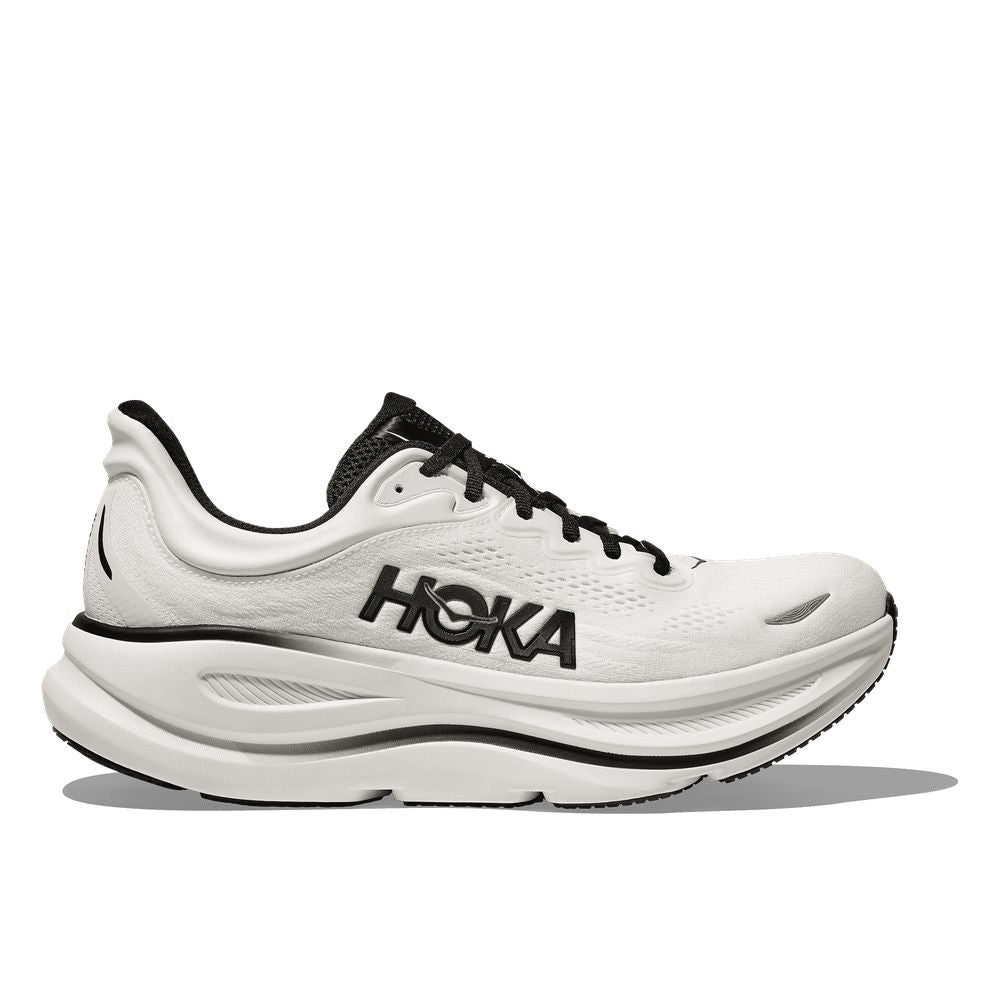
The Hoka Bondi 9 offers a plush ride with its max-cushion design, featuring a stack height of 43mm in the heel and 38mm in the forefoot. The new supercritical EVA foam provides a livelier feel compared to its predecessor, making it suitable for recovery runs and long days on your feet. However, at 297g, it remains on the heavier side, which may not appeal to those seeking a lighter shoe for faster paces. The engineered knit upper enhances comfort but has raised durability concerns. While the roomy toe box accommodates various foot shapes, the overall bulkiness and premium price point may deter some runners from considering it for everyday training beyond easy runs.
Hoka Challenger ATR 8
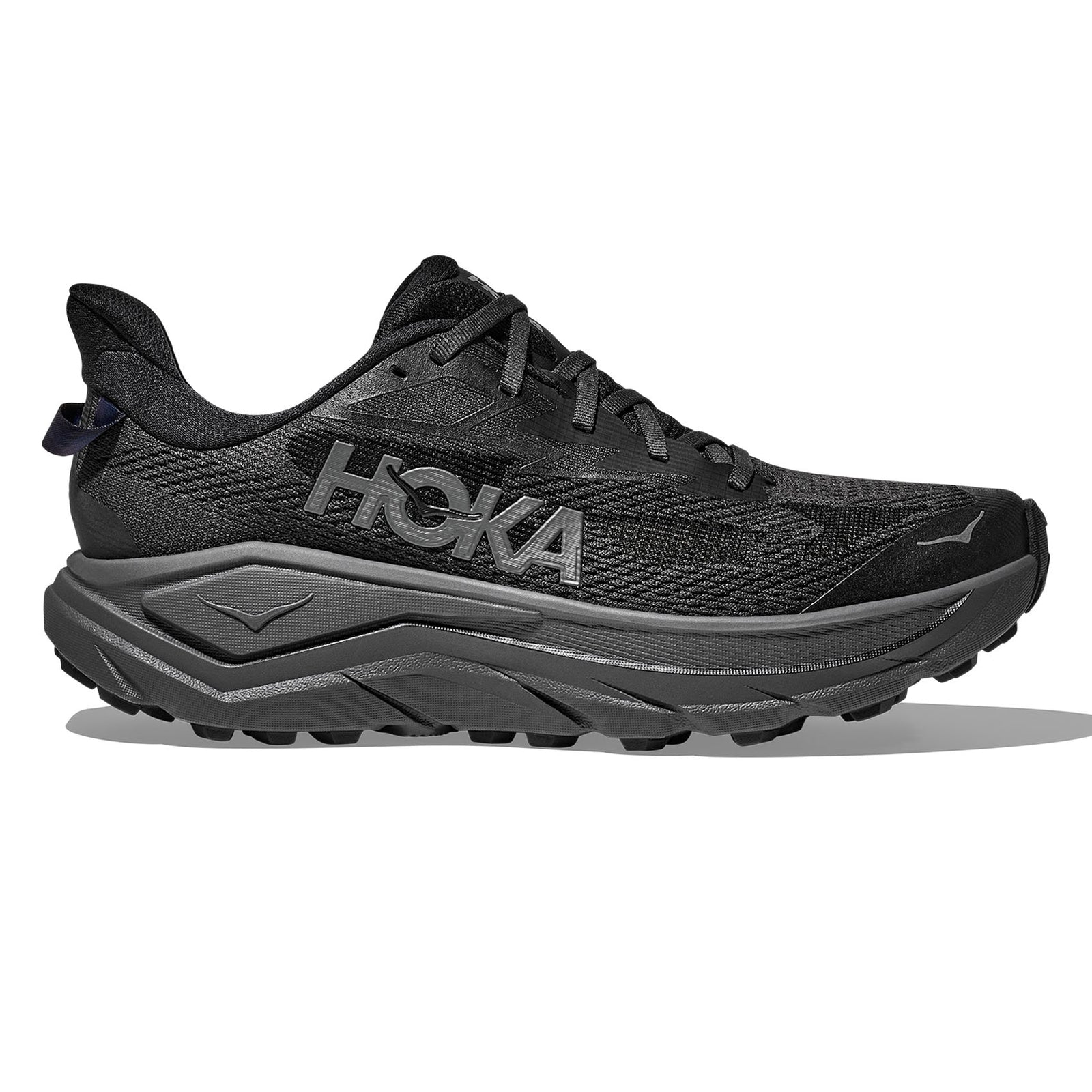
The Hoka Challenger ATR 8 is designed for all-terrain running, featuring a max cushioning setup with a 5mm heel drop that benefits heel strikers. It offers a roomy fit with a spacious toe box, making it suitable for longer distances on mixed surfaces. The redesigned lugs provide effective grip on various terrains, though the shoe's weight has increased slightly compared to its predecessor. While it excels in comfort and daily training, it lacks the energetic bounce of newer foams and may feel disconnected from the ground on technical trails. Additionally, the outsole durability may suffer on rocky surfaces, and the shoe is not ideal for aggressive terrain or fast-paced workouts.
Hoka Mafate 5
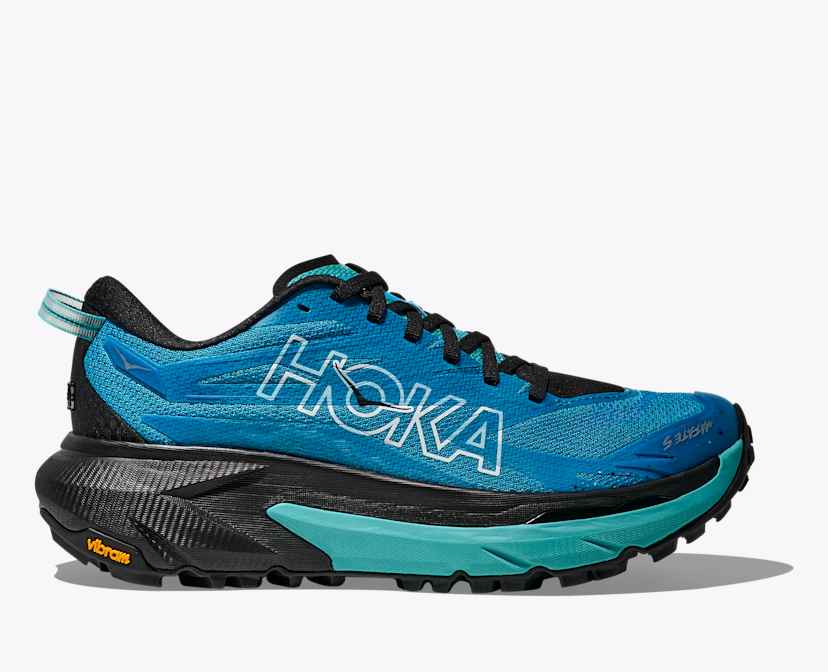
The Hoka Mafate 5 is a technical trail running shoe designed for long distances, featuring a maximum cushioning level with a stack height of 45mm in the heel and 37mm in the forefoot. Reviewers note its plush ride and excellent traction from the Vibram Megagrip outsole, making it suitable for muddy and wet conditions. However, the towering stack can create a disconnected feel from the ground, and the heavier build may hinder agility on more nimble runs. The shoe's rigid geometry and short tongue design have also drawn criticism, affecting comfort and control on technical terrain. Overall, it excels in cushioning and durability but compromises on responsiveness and sensitivity to the trail.
Hoka Clifton 10
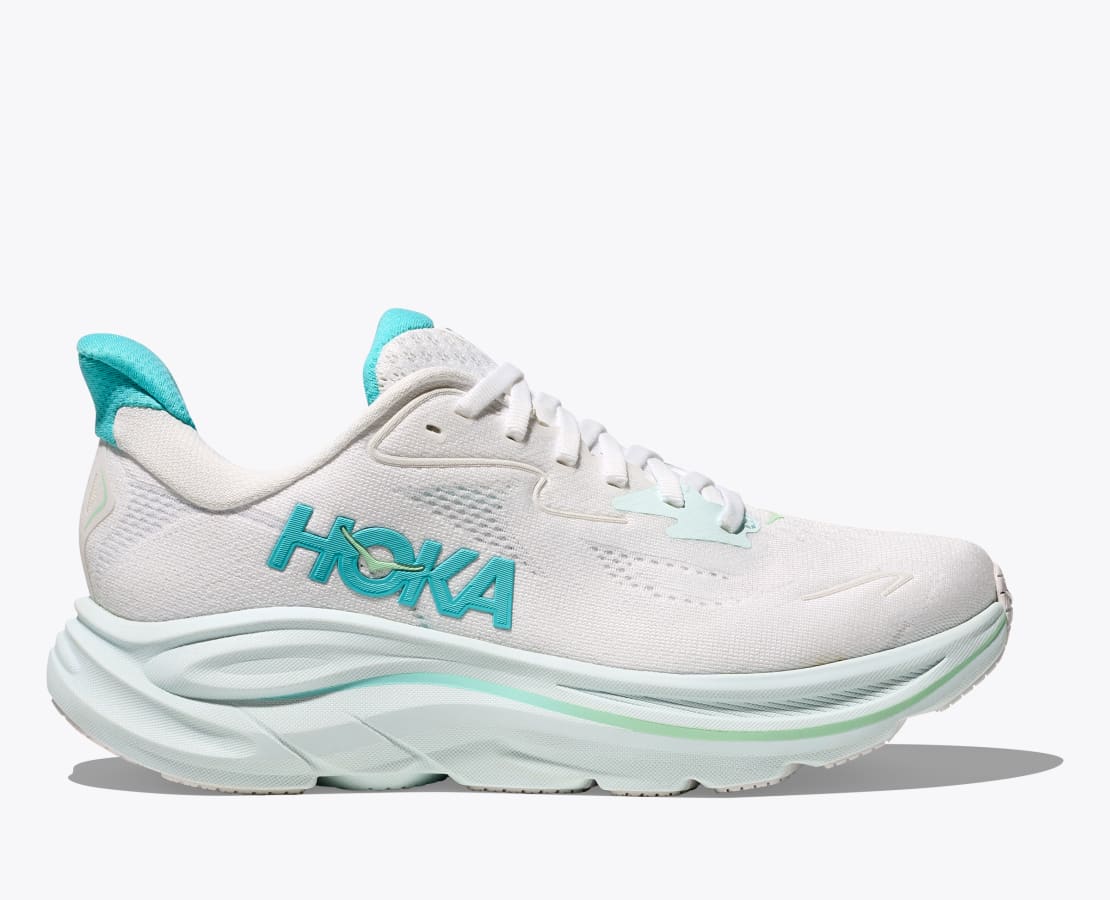
The Hoka Clifton 10 is a daily road running shoe that offers a plush, cushioned ride thanks to its updated CMEVA midsole, which provides a soft feel underfoot. With an 8mm heel drop and a stack height of 42mm in the heel, it delivers a stable yet cushioned experience, though some runners may find the increased drop noticeable compared to its predecessor. The wider toe box accommodates various foot shapes, enhancing comfort for longer runs. However, the shoe is heavier at 278g than previous versions and competitors, which may affect speed for some runners. While the ride feels smooth due to the meta-rocker geometry, the cushioning may lack the responsiveness found in lighter, supercritical foams, making it less ideal for faster paces.
Hoka Rocket X 3
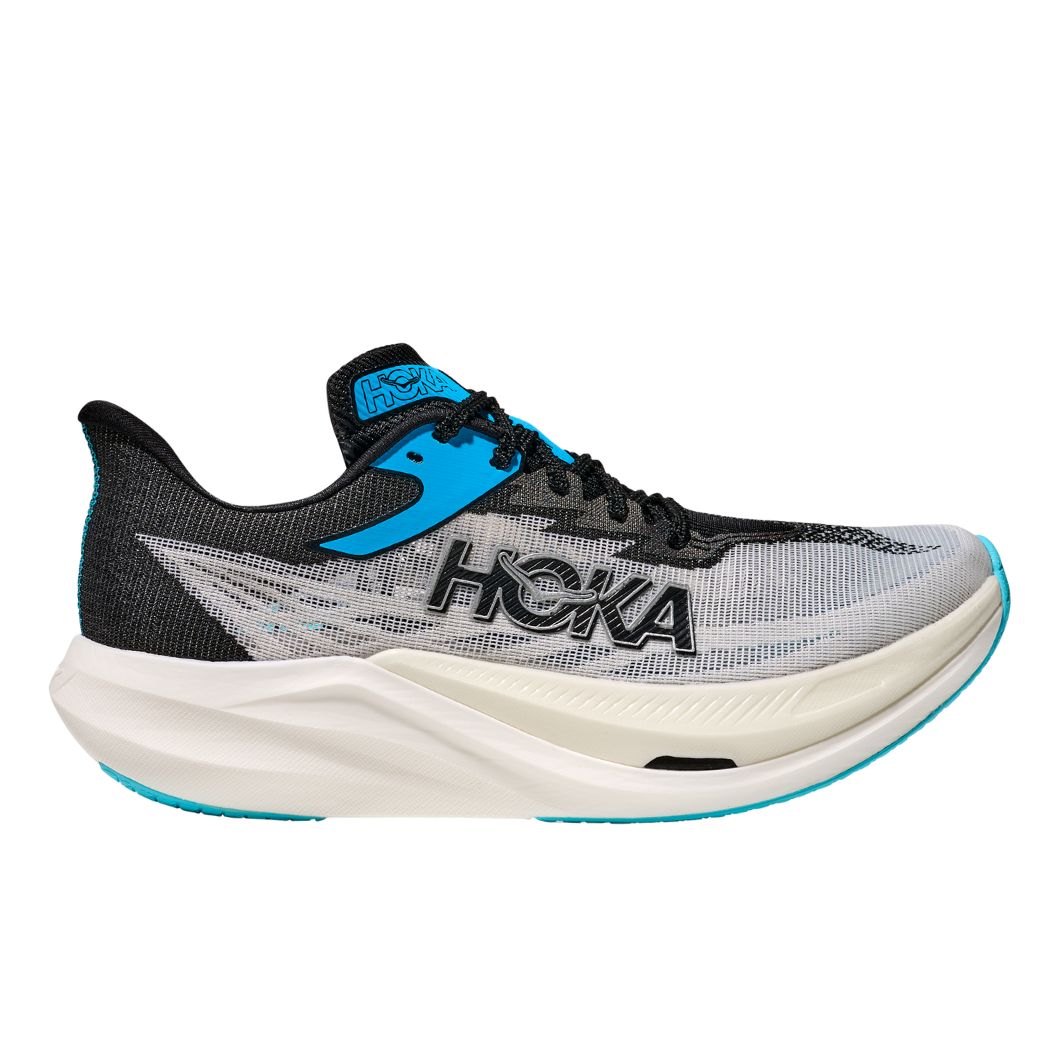
The Hoka Rocket X 3 is designed for road racing, offering a max cushion feel with a 40mm stack height and a 7mm heel drop. Reviewers note a strong energy return, particularly at faster paces, thanks to the PEBA foam and carbon plate. While it provides a cushioned ride that is stable and comfortable at slower speeds, some runners may find it less responsive compared to other super shoes when pushing for maximum speed. The fit is narrow, which may not accommodate wider feet, and the outsole durability is a concern due to the softer midsole foam. Overall, it is well-suited for marathon racing but may not be the best choice for those seeking aggressive toe-off or extreme speed.
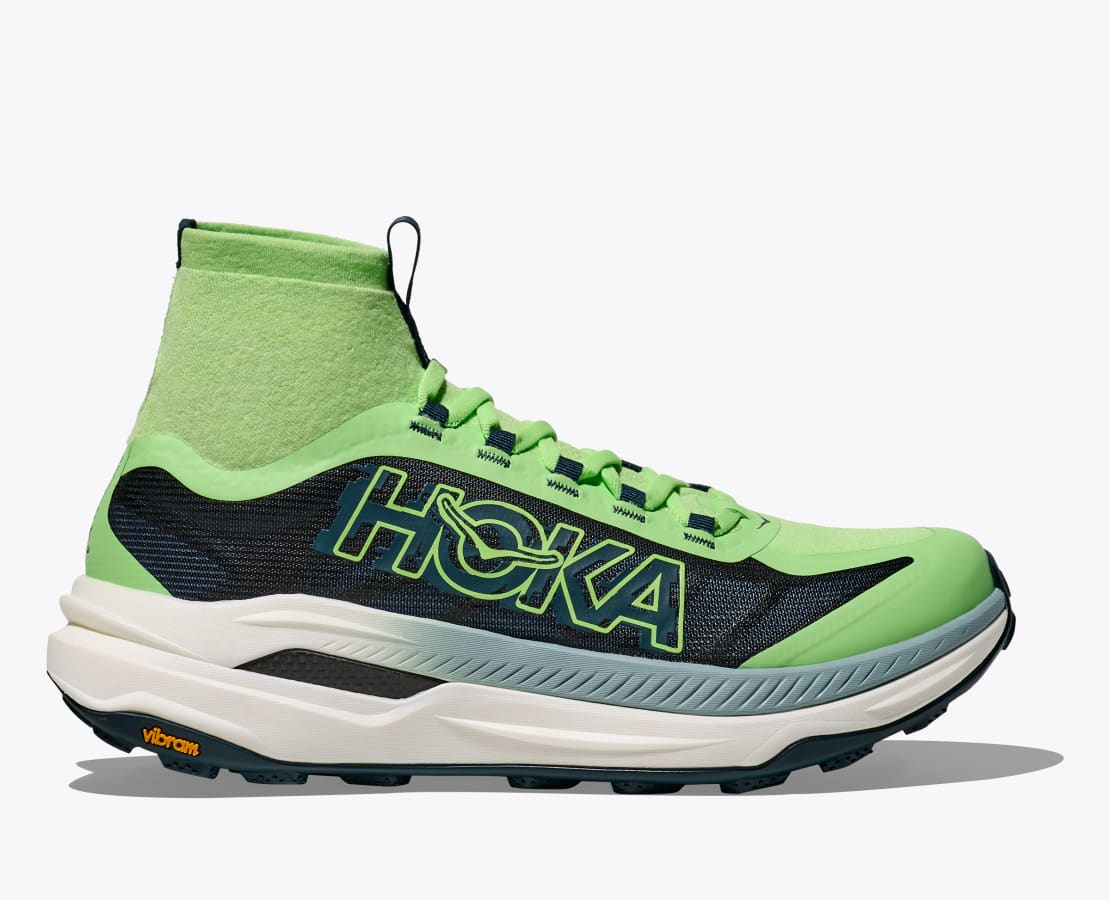
Hoka Tecton X 3
The Hoka Tecton X 3 is a technical trail running shoe designed for aggressive terrain and racing scenarios. With a 5mm heel drop and a max cushioning stack height of 40mm at the heel, it provides a firm feel underfoot at slower paces, while the PEBA midsole delivers pronounced energy return at faster speeds. However, the shoe's narrow fit through the midfoot and a restrictive toebox may not accommodate all foot shapes, particularly during longer runs. The new ankle gaiter design has polarized opinions, and some testers noted that the added weight compared to its predecessor may affect performance. Overall, this shoe is best suited for runners seeking speed on technical trails, but it may not be the most versatile option for varied paces or softer terrains.
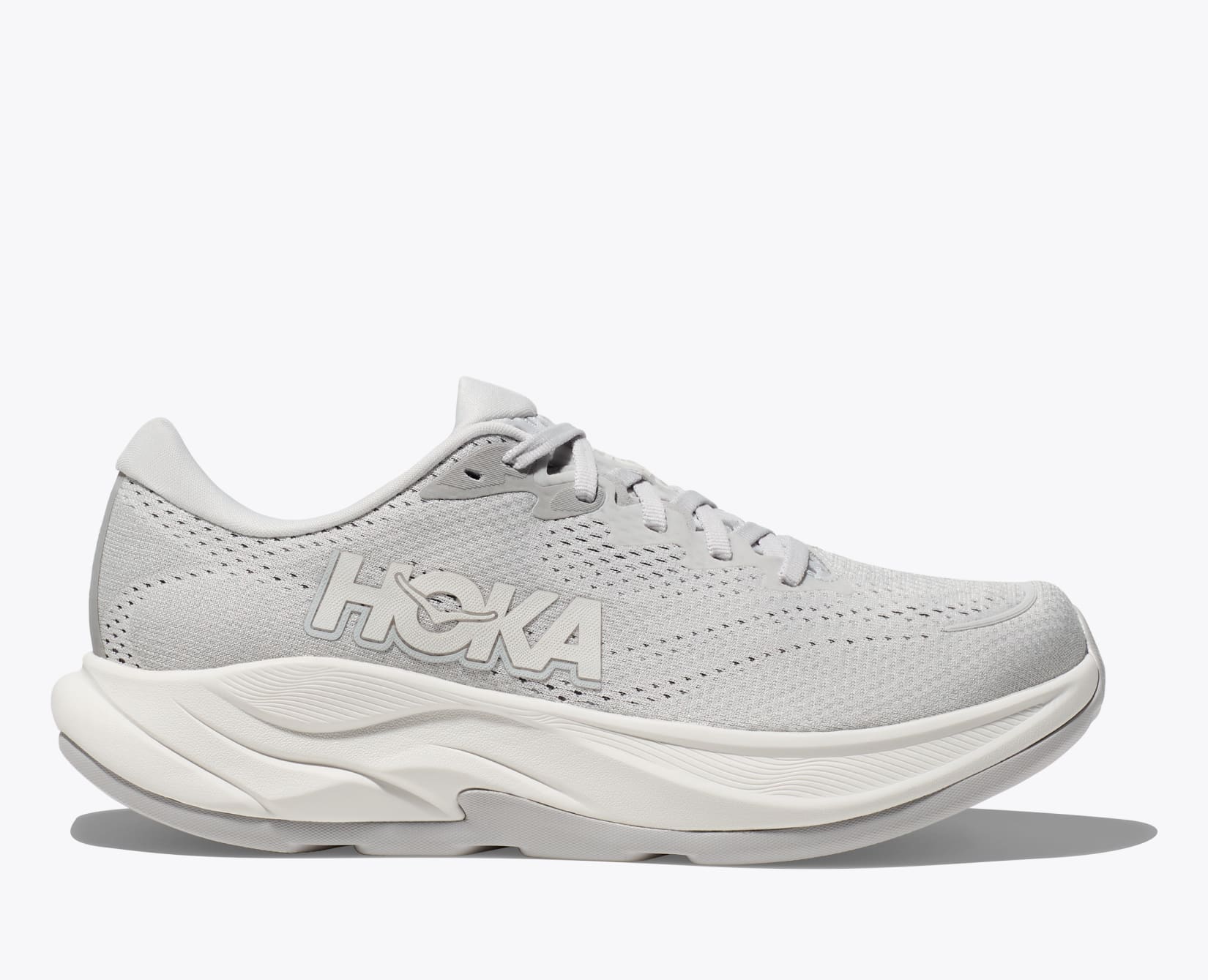
Hoka Rincon 4
The Hoka Rincon 4 is a lightweight road running shoe, weighing 231g, that offers a moderate level of cushioning and a 5mm heel drop. Runners will appreciate the smooth ride, particularly at daily training paces, thanks to the bouncy CMEVA midsole and meta-rocker geometry that aids transitions. However, the shoe has a narrow fit, which may not suit all foot shapes, and the thin upper can raise durability concerns. Reviewers noted that the outsole wears quickly, especially on pavement, and the shoe may not be ideal for heavier runners or those tackling long distances. Overall, it serves well as an affordable option for new runners or those seeking a versatile daily trainer, but tradeoffs in fit and durability should be considered.
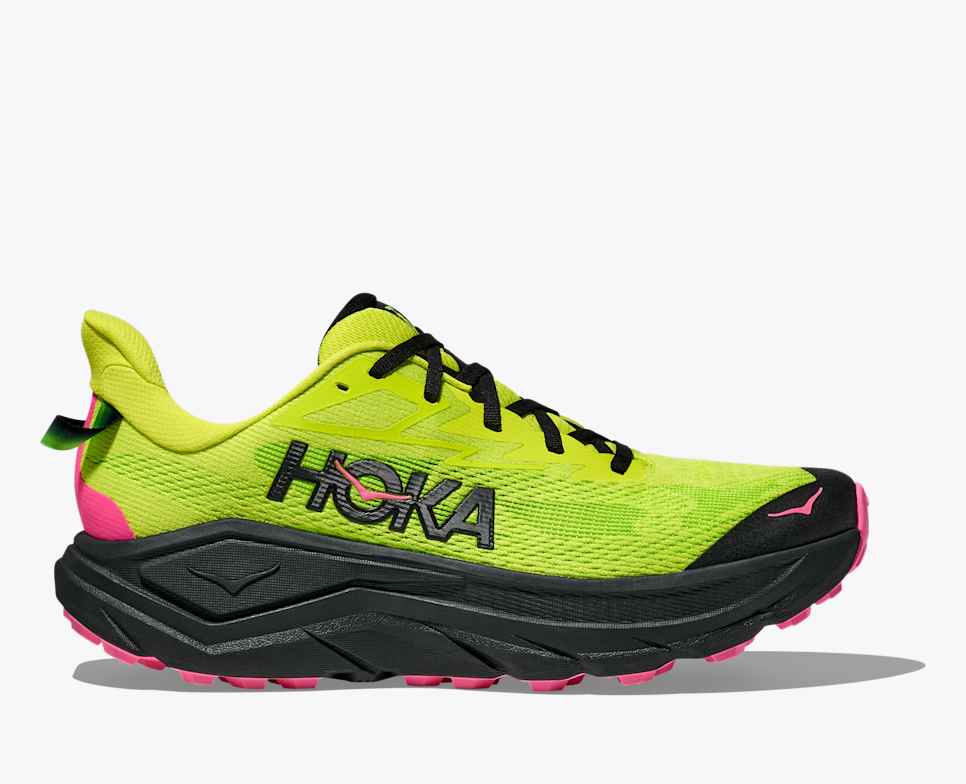
Hoka Challenger 8
The Hoka Challenger 8 is designed as an all-terrain trail running shoe, featuring a max cushioning setup with a stack height of 42mm in the heel and 34mm in the forefoot. It provides a reliable and comfortable experience for daily training on moderate trails, with a notable improvement in the toebox width compared to its predecessor. However, this shoe is not ideal for technical terrain, as its increased stack height can diminish trail feel and stability. While the cushioning feels smooth on light trails and roads, some users report durability issues with the outsole, including delamination within 100 miles. The shoe's weight is also heavier than previous models, which may affect performance for speed-oriented runners.
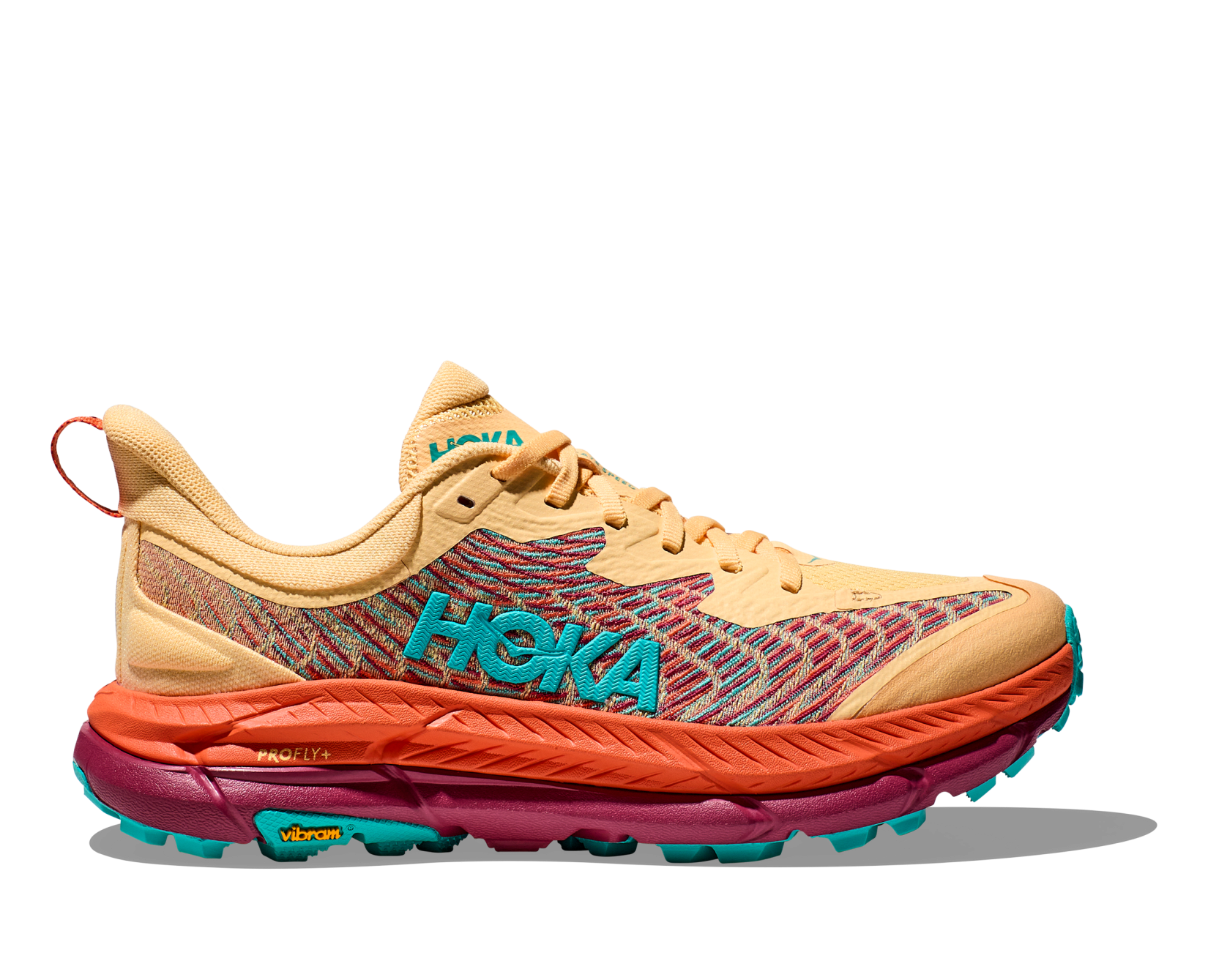
Hoka Mafate Speed 4
The Hoka Mafate Speed 4 is designed for technical trail running, featuring a 38mm stack height that provides substantial cushioning, making it suitable for long distances. The shoe feels firm underfoot at slower paces, while the energy return becomes more noticeable as speed increases, thanks to its 58.3% energy return. The Vibram Megagrip outsole with traction lugs effectively handles various terrains, though the ultra-tapered toebox may not accommodate wider feet comfortably. Reviewers noted that the snug fit can create pressure for some runners, and the ankle collar design allows debris to enter the shoe, which could be a concern on rugged trails. Overall, this model balances cushioning and agility, but its fit and some design elements may require consideration for certain runners.
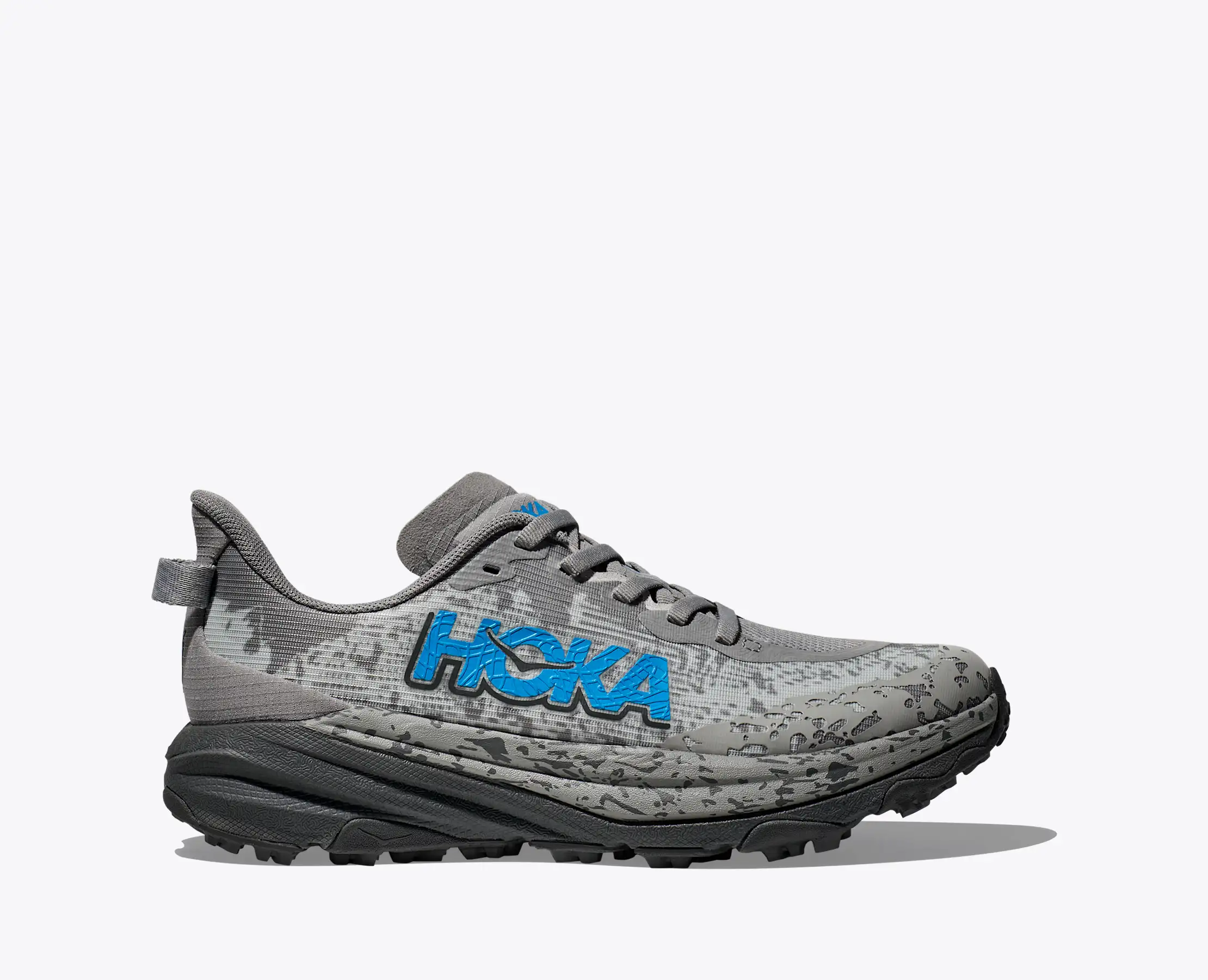
Hoka Speedgoat 6
The Hoka Speedgoat 6 is a technical trail running shoe designed for rugged terrain, featuring a 5mm heel drop and a max cushioning level. It offers reliable traction thanks to its Vibram outsole, making it suitable for challenging trails. Reviewers note the shoe feels firm underfoot, particularly at slower paces, which may require a break-in period for some runners. The fit is snug, especially in the midfoot and toebox, which can be restrictive for those with wider feet. While the shoe is lightweight for its stack height, it lacks the supercritical foam found in some competitors, resulting in modest energy return. Durability concerns have been raised, particularly regarding the upper material, and the price point has increased compared to previous versions.